ByJohn A
How Substation Power Transformers Handle Large-Scale Power Demand
Electricity generated at a power plant is rarely delivered directly to homes, businesses, and industrial facilities at the same voltage at which it is produced. The power passes through several stages of transmission and distribution, with substations helping control voltage along the way. At the center of many of these installations are substation power transformers, which allow electrical networks to move large amounts of energy efficiently across considerable distances.
The ability to increase or decrease voltage is essential to the operation of modern power grids. Higher transmission voltages reduce current for a given amount of power, which helps limit losses in transmission lines. Transformers at substations then reduce the voltage to levels suitable for regional distribution networks.
What Is a Substation Power Transformer?
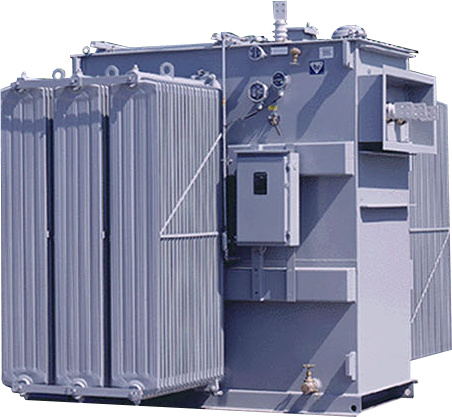
A substation power transformer is a large electrical device designed to transfer electrical energy between circuits while changing voltage levels. It operates through electromagnetic induction and does not change the frequency of the electrical supply.
Depending on its position within the grid, a transformer may increase voltage for transmission or reduce voltage for distribution.
For example, electricity generated at a power station may be stepped up to a high transmission voltage before entering the transmission network. At a receiving substation, another transformer can reduce that voltage before electricity moves into regional distribution systems.
The exact voltage levels and transformer ratings vary according to the electrical network.
Managing High Power Loads
Large substations may handle substantial amounts of electrical power. A transformer must therefore be designed to operate reliably under significant electrical and thermal stress.
Transformer capacity is generally expressed in KVA or MVA. Large grid transformers are commonly rated in hundreds of MVA, depending on their application.
The required rating depends on factors such as:
- Expected peak demand
- Voltage levels
- Load growth
- Network configuration
- Short-circuit conditions
- Ambient temperature
- Cooling requirements
- System reliability requirements
Engineers also consider future demand rather than designing solely around present consumption. Electricity demand can increase as industrial facilities expand, new buildings are connected, or transportation and heating systems become more electrified.
How Voltage Changes Improve Transmission Efficiency
One of the main reasons transformers are used in power networks is to make long-distance transmission more efficient.
For a given amount of electrical power, increasing voltage allows the current to decrease. Lower current reduces resistive losses in transmission conductors.
For example, the relationship between power, voltage, current, and power factor in a three-phase system can be expressed as:
P = √3 × V × I × PF
Where:
- P represents active power
- V represents line voltage
- I represents line current
- PF represents power factor
As voltage increases, the current required to transmit the same amount of power decreases, assuming other variables remain constant.
This is one reason high-voltage transmission networks depend heavily on large transformers at generating stations and substations.
Cooling Keeps Transformers Operating Safely
Large transformers generate heat through electrical losses. If this heat is not removed effectively, insulation can deteriorate and transformer components can experience excessive thermal stress.
Substation power transformers therefore use dedicated cooling systems. Depending on the transformer design and rating, cooling may involve natural oil circulation, forced oil circulation, fans, pumps, or combinations of these methods.
Transformer oil can serve two functions: electrical insulation and heat transfer. The oil absorbs heat from internal components and transfers it toward cooling surfaces or radiators.
Temperature monitoring systems help operators track the condition of the transformer during operation. Abnormal temperature increases can indicate excessive loading, cooling problems, or developing faults.
Transformer Insulation and Oil
Insulation is fundamental to transformer reliability. High voltages create significant electrical stress between windings and between windings and the transformer tank.
Large transformers often use oil-paper insulation systems. The condition of both the oil and solid insulation can provide useful information about the transformer’s health.
Oil testing may examine characteristics such as moisture content, dielectric strength, acidity, and dissolved gases.
Dissolved gas analysis is widely used as a diagnostic technique for oil-filled transformers. Certain gases can be associated with overheating, arcing, or other internal electrical faults.
Regular testing allows maintenance teams to identify changes in transformer condition and investigate potential problems before they become major failures.
Protection Systems for Large Transformers
A substation transformer represents a major investment and can affect a large portion of the electrical network if it fails. Protection systems are therefore designed to detect faults quickly and isolate affected equipment.
Depending on the installation, transformer protection may include:
- Differential protection
- Overcurrent protection
- Earth-fault protection
- Buchholz relay protection
- Pressure relief devices
- Winding temperature monitoring
- Oil temperature monitoring
- Surge arresters
Differential protection compares current entering and leaving the protected transformer zone. Significant differences can indicate an internal fault.
Surge arresters provide protection against transient overvoltages, including those associated with lightning and switching events.
Tap Changers and Voltage Control
Electricity demand changes throughout the day. Voltage on a transmission or distribution network can also vary as loads change.
Many large transformers use tap changers to adjust the winding ratio and maintain the desired output voltage. On-load tap changers can make these adjustments while the transformer remains energized and carrying load.
This capability is particularly useful in substations where voltage must be controlled continuously as network conditions change.
The tap changer is a mechanical and electrical system in its own right and requires inspection and maintenance to ensure reliable operation.
The Role of Redundancy
Large power networks often use more than one transformer to improve system reliability. If one transformer is unavailable because of maintenance or a fault, another unit may be able to carry part or all of the affected load, depending on the network design.
This arrangement can reduce the impact of individual equipment failures.
Substation design may also include spare capacity so that transformers do not have to operate continuously at their maximum rating. The required redundancy depends on the importance of the substation, network configuration, load characteristics, and utility planning standards.
Maintenance and Condition Monitoring
Routine maintenance is a major part of transformer management. Large transformers can remain in service for decades, but their performance depends on insulation condition, cooling systems, electrical connections, bushings, tap changers, and other components.
Maintenance programs can include:
- Oil testing
- Dissolved gas analysis
- Insulation testing
- Bushing inspection
- Thermal monitoring
- Tap changer inspection
- Leak detection
- Electrical connection checks
- Cooling system inspection
Modern monitoring systems can also track temperature, dissolved gases, moisture, load, and other operating parameters continuously.
The information gathered through condition monitoring can help maintenance teams identify trends and plan inspections before a developing issue causes an unplanned outage.
Supporting Growing Electricity Demand
Power consumption is changing as cities expand, industries increase production, and new electrical loads are added to the grid. Data centers, electric transportation, manufacturing facilities, and large commercial developments can all create substantial demand.
Substation power transformers must therefore be selected with both current and projected requirements in mind. A transformer that is adequate today may become insufficient if demand grows significantly over its service life.
Grid planners consider expected load growth, network constraints, equipment age, redundancy requirements, and future infrastructure when determining transformer capacity.
Reliable Power Starts at the Substation
Large-scale electrical networks depend on transformers to move electricity between different voltage levels efficiently and safely. Their capacity, cooling systems, insulation, protection equipment, and voltage-control mechanisms allow substations to handle substantial electrical demand.
The performance of a transformer also depends on proper installation, regular maintenance, accurate condition monitoring, and suitable protection. These measures help utilities identify potential problems and maintain reliable power delivery across the network.
As electrical demand continues to develop, properly specified and maintained substation power transformers will remain a fundamental part of the infrastructure that connects generation, transmission, and distribution systems.