ByJohn A
Benefits of Choosing a Manual Opening Plastic Roof Window
A roof window can provide two useful functions at once: daylight and ventilation. While fixed roof glazing brings sunlight into an interior, an opening roof window can also allow fresh air to enter and warm air to escape.
Manual opening models offer a straightforward way to gain this flexibility without relying on electrical controls, motors, or remote systems. Plastic roof windows are also available in practical designs suited to extensions, utility spaces, kitchens, bathrooms, loft conversions, and other areas where overhead daylight is useful.
The simplicity of a manually operated roof window can make it attractive for homeowners who want direct control over ventilation. A manual opening plastic roof window provides a straightforward option for adjusting airflow and allowing fresh air into rooms when needed.
Direct Control Without Electrical Components
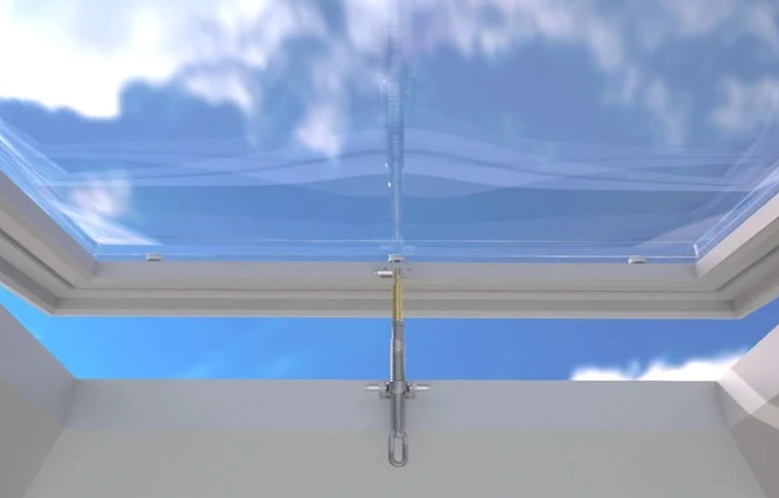
A manual roof window is operated by the user rather than by a motor. Depending on the design, this may involve a handle, winding mechanism, or pole-operated system.
The absence of an electric motor can simplify the installation. There is no requirement for a dedicated electrical connection to operate the opening mechanism, although surrounding lighting and other electrical work may still be needed as part of the wider room design.
Manual operation also means there are fewer powered components involved in everyday use. For homeowners who prefer straightforward products with familiar controls, this can be a practical advantage.
Fresh Air for Enclosed Rooms
Ventilation is one of the main reasons to choose an opening roof window rather than fixed glazing.
Warm air naturally rises, so an opening positioned within the roof can provide a useful route for accumulated heat to leave a room. This can be particularly helpful in kitchens, where cooking produces heat and moisture.
Bathrooms can also benefit from roof ventilation. Opening the window after bathing or showering allows humid air to escape, helping reduce condensation when combined with suitable general ventilation.
The effectiveness depends on the size and position of the opening, outdoor conditions, and the availability of other ventilation routes.
Natural Light Without Taking Up Wall Space
A roof window introduces daylight from above while leaving the walls available for other uses.
This can be valuable in smaller extensions where every section of wall has a practical purpose. Furniture, shelving, kitchen units, radiators, and doors can occupy much of the available vertical space, leaving limited room for additional windows.
A roof-mounted window avoids that conflict. It can be positioned over a useful section of the room while keeping the walls clear.
Plastic glazing options may also be available in different levels of transparency or diffusion. The right choice depends on the desired balance between daylight, privacy, and appearance.
Lightweight Construction
Many plastic roof windows are designed with relatively lightweight frames and glazing components. This can be useful when installing a window into an existing roof structure.
The weight of any roof window still needs to be considered during design and installation. The roof opening must be properly supported, and the surrounding construction needs to accommodate the unit.
A lightweight product does not remove the need for structural planning, but it can make the overall system more manageable compared with heavier alternatives.
Practical for Extensions and Renovation Projects
Manual plastic roof windows can suit both new-build extensions and refurbishment projects.
In a new extension, the opening can be incorporated into the roof design from the beginning. The builder can plan the structural opening, insulation, flashing, drainage, and internal finish around the chosen window.
For an existing roof, the project may require additional structural work. The roof should be inspected before deciding on the location and size of the opening.
The design should also account for the surrounding roof materials. A suitable flashing system is needed to create a weather-resistant junction between the window and roof.
Simple Ventilation in Kitchens
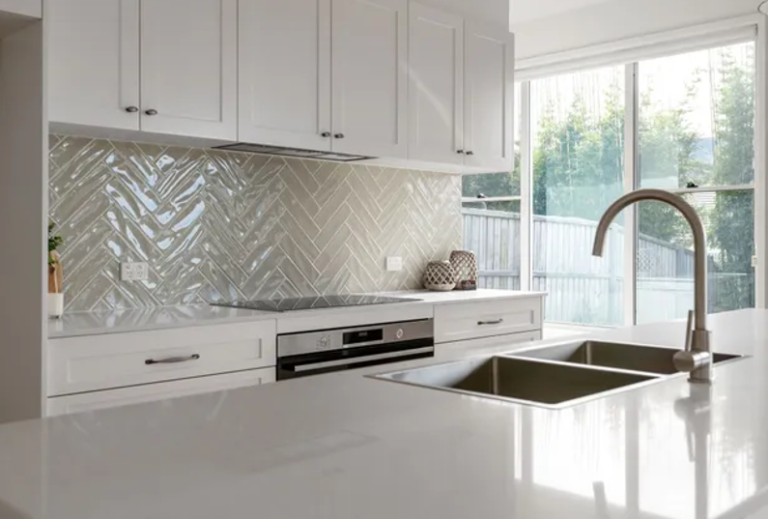
Kitchen extensions often benefit from additional roof ventilation. Cooking creates steam, odours, and heat, and an opening roof window can provide another method of moving stale air outdoors.
Positioning can make a difference. A window located above or near the cooking area may help release warm air, although it should complement rather than replace any required extraction system.
Manual operation can also be convenient. The homeowner can open the window while cooking and close it once the room has been ventilated.
A Useful Option for Bathrooms
Privacy is often a concern in bathrooms, particularly where conventional windows face neighbouring properties.
An overhead window can provide daylight without creating the same direct sightlines as a low-level wall window. A suitable opaque or diffused glazing specification can provide additional privacy.
The ability to open the roof window can also assist with moisture management. However, effective bathroom ventilation should follow applicable building requirements and may still require mechanical extraction.
Lower Dependence on Powered Controls
A manual opening mechanism does not rely on electricity to operate. This can be useful in rooms where running additional wiring would be inconvenient.
It also avoids some of the components associated with motorised roof windows. There are no electric actuators or remote-control systems to manage as part of the basic opening mechanism.
For some homeowners, fewer electronic components simply mean a more straightforward product to use.
Consider Reach and Accessibility
Manual operation works best when the window can be reached comfortably.
A low roof window may be accessible using a standard handle, while a higher installation could require an extension pole or another operating mechanism. This should be considered before the final position is selected.
If the roof window will be opened frequently, ease of operation should carry more weight in the decision. A beautiful location is less useful if reaching the handle is awkward.
Homes with accessibility requirements may benefit from an electrically operated alternative if manual operation would be difficult.
See also: How Freight Protection Measures Helped Businesses Avoid Transportation Problems
Cleaning and Maintenance
Plastic roof windows are generally straightforward to clean, but their maintenance requirements depend on the specific frame and glazing materials.
The external surface should be inspected periodically for dirt, leaves, or other debris. Hinges, seals, drainage channels, and flashing should also be checked as part of routine roof maintenance.
Following the manufacturer’s cleaning instructions helps protect the frame and glazing. Harsh chemicals and abrasive tools should be avoided unless specifically approved.
Matching the Window to the Roof
The roof pitch, opening size, glazing type, frame material, and flashing system all need to work together.
A suitable roof window should be selected according to the roof construction rather than based only on appearance. The surrounding insulation and weatherproofing also need careful attention.
Professional installation can help prevent common problems such as leaks, poor drainage, condensation, or movement around the roof opening.
A Straightforward Choice for Daylight and Ventilation
A manual opening plastic roof window offers a practical combination of natural light and fresh-air ventilation. Its operation is simple, it does not require a powered opening mechanism, and it can preserve valuable wall space within an extension.
The right model depends on the room, roof structure, accessibility, desired daylight level, privacy requirements, and ventilation needs.
For homeowners who prefer a straightforward roof feature without electrical controls, manual operation provides a useful option that can support everyday comfort while adding more daylight to the interior.