ByJohn A
TYR L-1 Lifter Review Guide: Heel Height, Toe Box and Fit Explained
Choosing weightlifting shoes requires attention to more than appearance. Heel height, toe space, sole construction and fastening can all affect how footwear feels during squats and other strength exercises. The TYR L-1 Lifter is designed for weightlifting, with a 21 mm heel-to-toe drop, an anatomical toe box, adjustable double straps and a wide, flat sole. These features make it worth considering for athletes who want a dedicated lifting shoe rather than a general gym trainer. Understanding how each feature works can help you decide whether the design matches your training needs.
For tyr l-1 lifter product info, start by reviewing the product specifications and available size options. The L-1 is built around a raised heel and a broad platform, with a fastening system intended to keep the foot secure. However, its suitability depends on your foot shape, lifting technique and preferred feel under load. No single shoe design works equally well for every athlete or exercise. Consider the features individually before deciding whether this model belongs in your training kit.
1. Understanding the TYR L-1 Lifter Design
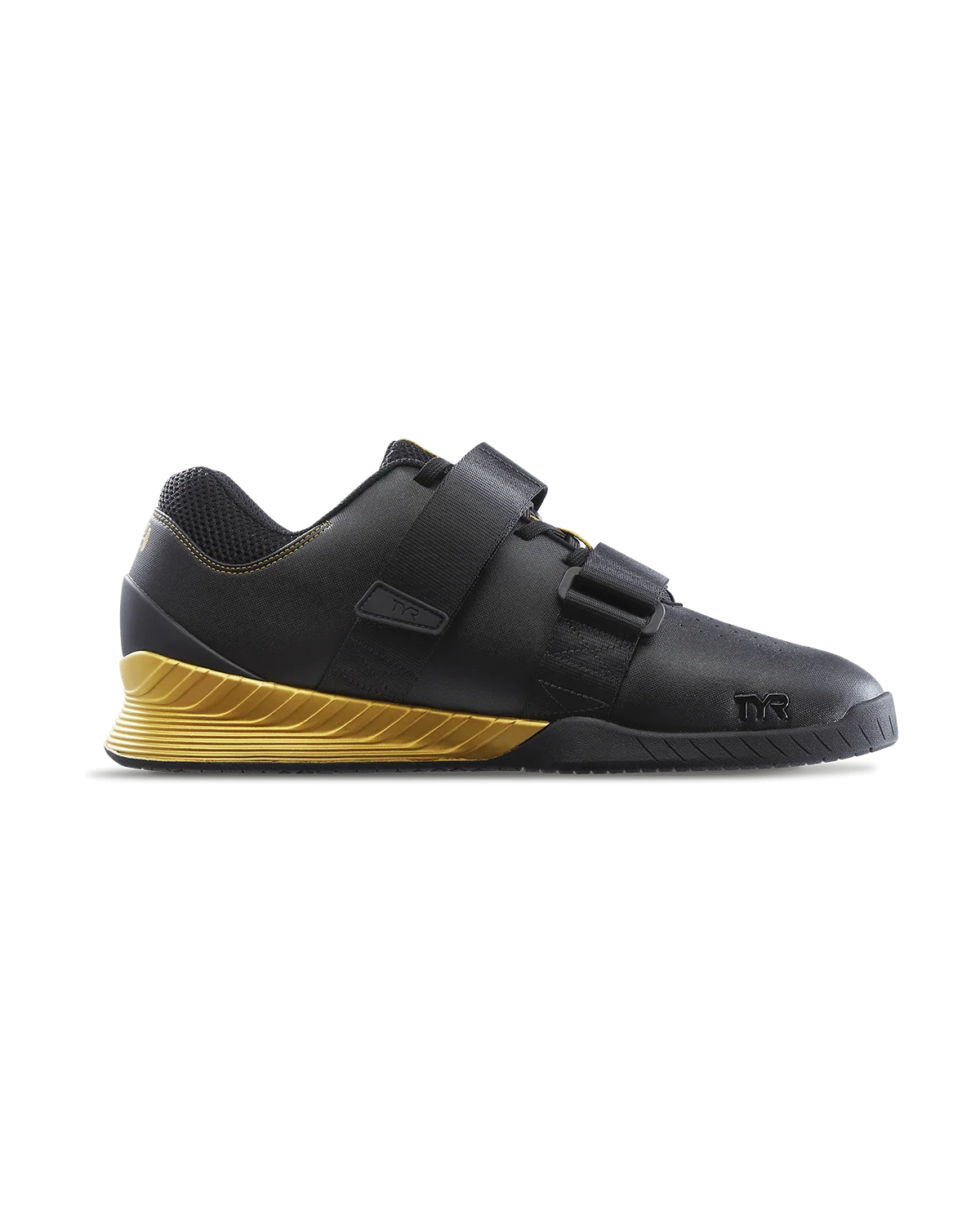
The TYR L-1 Lifter is a specialist weightlifting shoe rather than an all-purpose running or conditioning trainer. Its design combines a raised heel, a wider anatomical toe box, a supportive rear section and adjustable double straps across the midfoot. TYR also specifies a wide, flat sole intended to provide a stable base during lifting. Together, these elements focus on foot positioning and support during strength exercises. The value of each feature depends on how it fits your feet and the movements you perform.
A dedicated lifting shoe may be useful for athletes who regularly perform squats, cleans and snatches. These movements require controlled foot placement and a consistent relationship between the foot and the training surface. A firmer, wider platform can feel different from the softer sole of a running shoe, particularly when handling heavier loads. The L-1’s features are designed around these lifting requirements, but they do not replace sound technique or appropriate coaching. Assess the shoe in relation to your training rather than assuming specialist footwear automatically improves every lift.
2. What Does the 21 mm Heel-to-Toe Drop Mean?
One of the L-1’s defining specifications is its 21 mm heel-to-toe drop. This refers to the height difference between the heel and forefoot, with the heel positioned higher than the front of the shoe. The elevated heel changes the angle of the foot and may help some lifters maintain a more upright torso during squats. It can also make it easier for certain athletes to reach their preferred squat depth, depending on their ankle mobility, proportions and technique. These effects vary between individuals, so heel height should be considered a personal fit and movement preference.
The 21 mm measurement is a key detail to check if you are moving from flat trainers or conventional gym shoes. A raised heel can feel unfamiliar at first because it changes the foot’s position relative to the floor. It may suit some Olympic lifting techniques, but not every athlete prefers the same amount of elevation. Your mobility, stance and lifting style all influence whether the height feels appropriate. If possible, assess the shoe during controlled warm-up movements before using it for demanding sets.
3. The Anatomical Toe Box and Forefoot Space
The L-1 features an anatomical toe box designed to provide a wider space around the forefoot. This shape can allow the toes to sit more naturally than a narrow, tapered design. Toe space matters during weightlifting because the feet need a comfortable base while the athlete maintains balance and applies force through the floor. A wider front section may be particularly appealing to lifters who find conventional training shoes restrictive. However, a roomy toe box should still work with a secure fit around the heel and midfoot.
A wider toe box does not mean that every wearer should automatically choose a larger shoe size. Length, width and the overall shape of the shoe affect fit in different ways. Your toes should have enough room without sliding excessively, and the heel should remain secure during movement. Check for pressure along the sides of the forefoot and around the toes when standing and performing controlled squats. If the shoe feels loose in other areas despite its toe space, review the sizing guidance rather than relying on extra length to solve the problem.
4. Adjustable Double Straps and Heel Support
The L-1 uses adjustable double straps across the midfoot to help secure the foot inside the shoe. This arrangement allows the wearer to adjust the level of fastening rather than relying on laces alone. A secure midfoot can help the shoe feel more consistent during controlled lifting movements. However, straps cannot correct a fundamentally unsuitable size or shape. The shoe should feel secure without requiring excessive tension.
The rear of the shoe also includes heel support, which contributes to the overall structure. When assessing fit, pay attention to whether the heel stays in place and whether the upper creates any rubbing or pressure. Fasten the straps evenly and adjust them according to comfort. The aim is to reduce unwanted movement inside the shoe without making the foot feel squeezed. A good fit should remain comfortable throughout a session, including during warm-ups and rest periods.
5. Wide, Flat Sole and Stability
TYR describes the L-1 as having a wide, flat sole for added stability. The broad platform provides a substantial base beneath the foot, while the firm construction is suited to the demands of weightlifting. This differs from many running shoes, which often use softer cushioning designed for repeated impact. During loaded exercises, some lifters prefer a less compressible sole because it provides a more consistent feel underfoot. The right level of firmness remains a matter of training needs and personal preference.
Sole stability should be considered alongside grip and fit. The outsole needs to work with the surface where you train, and the shoe should hold the foot securely during the intended movements. A wide sole alone cannot compensate for poor fit, worn tread or unsuitable training conditions. Check the outsole and follow the manufacturer’s care guidance to maintain the shoe. If your programme includes running, jumping or extended conditioning work, consider whether a dedicated lifting shoe is suitable for the full session.
6. Is the TYR L-1 Lifter Right for Your Training?
The L-1 may be worth considering if your programme centres on weightlifting and you prefer an elevated heel, generous toe space and a wide platform. Its design is relevant to exercises such as squats, cleans and snatches, where foot placement and a stable base are important. The double straps provide an adjustable fastening system, while the heel construction and sole are designed around lifting demands. Whether those features suit you depends on your technique, mobility and comfort. Product specifications are a starting point, not a guarantee of a perfect match.
Before purchasing, consider the following points:
- Training focus: Decide whether you mainly perform weightlifting or need footwear for mixed gym sessions.
- Heel preference: Consider whether a 21 mm heel-to-toe drop suits your squat technique and mobility.
- Toe space: Check whether the anatomical toe box accommodates your forefoot comfortably.
- Foot lockdown: Assess whether the double straps and rear support provide a secure fit.
- Sole feel: Consider whether the wide, flat platform suits your preferred lifting setup.
- Sizing: Review the official footwear size guide and any model-specific recommendations.
- Use beyond lifting: Decide whether you need a separate pair for running and conditioning exercises.
The L-1 is a specialist option, so it may not be the most practical choice if one pair must cover every type of exercise. Running, repeated jumping and some dynamic workouts can call for different cushioning and flexibility. A dedicated lifting shoe can be reserved for strength sessions while other footwear is used for activities with different demands. This approach is worth considering if your training programme combines several disciplines. Choose based on the role the shoe will play, not simply the number of features listed on the product page.
7. Sizing and Fit Checks Before Buying
Start by checking the current L-1 product page and its footwear size guide. Measure your foot according to the manufacturer’s instructions and compare the result with the published chart. Do not assume your usual size will fit identically across every athletic shoe, as shapes and sizing conventions can differ. Check the fit around the toes, midfoot and heel rather than focusing on length alone. Review the seller’s return or exchange conditions before placing an order, especially if you are unsure about sizing.
TYR also provides a tech suit sizing resource, but that page concerns technical swimwear rather than lifting shoes. Use the L-1 footwear size guide for the actual shoe-size decision. Likewise, men’s TYR tech suit products are designed for competitive swimming, not weightlifting. Keeping these product categories separate helps ensure that you rely on the correct specifications for each purchase. For the L-1, heel height, forefoot room, fastening and sole stability should remain the main fit considerations.
8. Final Checks Before Purchasing
Before choosing the L-1, review the available sizes, colours and current product details on the official collection page. Availability and sale conditions can change, so confirm the terms shown for the specific version you intend to buy. Pay particular attention to any final-sale or return restrictions displayed during checkout. If you have questions about fit or product specifications, consult TYR’s official support channels before ordering. A careful review can help you make a more informed decision and reduce uncertainty about the shoe’s suitability.
Conclusion
The TYR L-1 Lifter combines a 21 mm heel-to-toe drop, an anatomical toe box, adjustable double straps, rear heel support and a wide, flat sole. These features make it a specialist option for athletes who want footwear designed around weightlifting movements. Before buying, consider whether the heel height suits your technique, whether the toe box fits your foot and whether the fastening provides comfortable security. Check the official size guide and product conditions rather than assuming your usual shoe size will be correct. Explore the TYR L-1 collection, or contact TYR if you need further product information.
Frequently Asked Questions
1. What is the heel-to-toe drop of the TYR L-1 Lifter?
The TYR L-1 Lifter has a stated 21 mm heel-to-toe drop. The elevated heel may help some lifters achieve their preferred squat position, although suitability depends on individual mobility and technique.
2. Does the TYR L-1 Lifter have a wide toe box?
Yes. TYR describes the L-1 as having an anatomical, wider toe box designed to provide more forefoot room. Fit still depends on foot shape and shoe size, so check the manufacturer’s sizing guidance.
3. What are the double straps for?
The adjustable double straps secure the midfoot and allow the wearer to adjust the fastening. They should hold the foot comfortably without excessive pressure or movement inside the shoe.
4. Is the TYR L-1 Lifter suitable for running?
The L-1 is designed as a weightlifting shoe, not a dedicated running shoe. Its firm, stable construction may not provide the cushioning and flexibility preferred for regular running or mixed cardio sessions.
5. How should I choose the right TYR L-1 size?
Measure your foot and compare it with TYR’s official footwear size guide. Check toe room, midfoot security and heel fit, and review the return conditions for the specific product before buying.