ByJohn A
Choosing Residential Glass Replacement That Fits Your Home, Style, and Needs
Glass is used throughout modern homes for windows, doors, shower enclosures, partitions, railings, and other features. Over time, however, even well-maintained glass can develop cracks, chips, scratches, fogging, or other signs of damage. Replacing it is not simply a matter of finding a piece that fits the opening. The new glass also needs to suit the home’s design, provide the right level of performance, and meet the demands of the space.
A thoughtful residential glass replacement can improve appearance while addressing safety, insulation, privacy, and everyday usability. Understanding the available options makes it easier to choose glass that works well for both the property and the people using it.
Start by Identifying Why the Glass Needs to Be Replaced
The reason for replacement should guide the selection process. A cracked window pane has different requirements from a damaged shower enclosure or a broken glass door.
For windows, the issue may be a broken pane, failed seal, condensation between insulated glass units, or outdated glazing. Door glass may need replacement because of accidental impact, wear, or a desire for improved appearance. Bathroom glass often needs attention because of chips, cracks, hardware problems, or changes to the room’s layout.
Identifying the original problem prevents a replacement from simply repeating the same weakness.
Choose Glass Based on the Location
Different parts of a home place different demands on glass.
Windows: Insulated glass, low-emissivity coatings, and other energy-conscious options can help improve indoor comfort and reduce heat transfer.
Entry doors: Safety is especially important because these areas experience frequent use and can be exposed to accidental impact. Tempered or laminated glass may be appropriate depending on the application.
Sliding doors: Large panes need suitable strength and hardware compatibility. The replacement should also match the existing frame and track system.
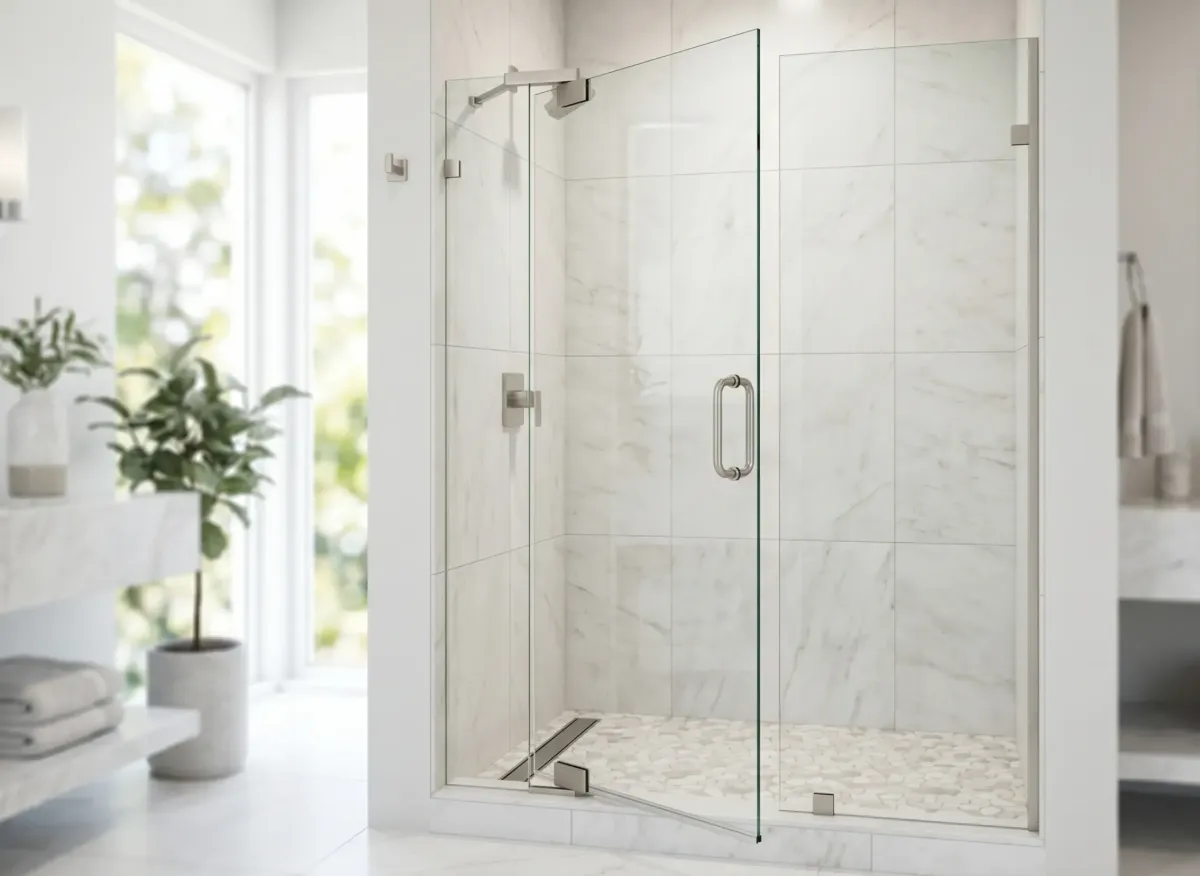
Bathrooms: Tempered safety glass is commonly used for shower doors and enclosures because it is designed for applications where accidental breakage is a concern.
Interior partitions: Clear, frosted, textured, or tinted glass can be selected based on the desired balance between openness and privacy.
The location provides a useful starting point before appearance and decorative details are considered.
Think About Safety Before Appearance
A replacement pane may look attractive, but safety should come first. Standard glass is not suitable for every residential application.
Tempered glass is heat-treated to increase its strength compared with ordinary annealed glass. If it breaks, it generally crumbles into smaller granular pieces rather than producing large, sharp shards.
Laminated glass uses layers bonded together. When damaged, the broken pieces can remain attached to the interlayer, helping keep the opening intact.
The appropriate choice depends on the installation, local building requirements, size of the glass, and surrounding structure. A professional glass provider can determine which safety glazing is appropriate for the specific application.
Match the Glass to Your Home’s Architectural Style
Replacement does not have to look like an obvious repair. Glass can be selected to complement the existing character of the home.
Traditional properties may benefit from divided-light windows, textured glass, or designs that reflect existing architectural details. Contemporary homes often pair well with large clear panes, minimal framing, and simple hardware.
For bathrooms, clear glass can make a compact space feel more open, while frosted or patterned options provide additional privacy.
The goal is not necessarily to choose the most decorative glass available. It is to select something that looks intentional within the room.
Consider Energy Performance
Windows and glazed doors can influence indoor temperature and comfort. Poorly performing glass may allow unwanted heat gain during warmer months and heat loss during colder periods.
Insulated glass units contain two or more panes separated by a spacer. The space between panes can be filled with air or an insulating gas, depending on the product. Low-emissivity coatings can also be applied to glass to control the movement of radiant heat.
For homeowners replacing older windows, upgrading the glazing may provide benefits beyond simply fixing damaged glass. The right specification can make rooms more comfortable and reduce the workload placed on heating and cooling systems.
Decide How Much Privacy You Need
Clear glass works well in spaces where visibility and natural light are priorities. It may not be ideal for bathrooms, bedrooms facing busy areas, or rooms positioned close to neighboring properties.
Privacy glass provides several alternatives. Frosted glass diffuses views while allowing daylight through. Textured glass creates visual distortion, and tinted glass can reduce visibility while changing the appearance of the installation.
The amount of privacy needed can vary within the same home. A clear kitchen window may be suitable, while a bathroom window could benefit from an obscured finish.
Check Compatibility With Existing Frames
A glass replacement is only successful if the new pane works with the existing installation.
Measurements should account for the actual opening, frame condition, glass thickness, glazing method, and hardware. A replacement pane that is slightly wrong in size or specification can create installation problems or reduce performance.
Older frames should also be inspected. If the frame is warped, deteriorated, or damaged, replacing only the glass may not solve the underlying problem.
This is particularly relevant for insulated glass units. If the existing unit has failed because of a damaged seal, the replacement needs to match the frame and glazing system correctly.
Don’t Overlook Glass Thickness and Weight
Glass size and thickness affect both performance and installation. Larger panes naturally carry more weight, which means the surrounding frame and hardware must be capable of supporting them.
Doors and moving panels require additional consideration because hinges, rollers, handles, and other components must work with the weight and dimensions of the replacement glass.
A professional measurement and assessment can help avoid ordering glass based solely on approximate dimensions.
Think About Maintenance
Some glass choices are easier to maintain than others. Smooth clear glass is generally straightforward to clean, while textured or decorative surfaces may require more attention.
Bathroom glass can also benefit from treatments designed to reduce water spotting and mineral buildup. These treatments do not eliminate cleaning, but they can make routine maintenance easier.
Window frames, seals, tracks, and drainage channels should also be checked during replacement. A clean pane cannot compensate for neglected surrounding components.
Professional Measurement Can Prevent Expensive Mistakes
Glass is manufactured to specific dimensions, so inaccurate measurements can create delays and additional costs. Professional glass technicians can inspect the opening, identify the existing glass type, and determine the dimensions and specifications required for replacement.
They can also identify issues that may not be obvious from a visual inspection, such as deteriorated seals, damaged frames, or incompatible hardware.
For complex installations, professional assessment is especially useful because the replacement involves more than simply cutting a new pane.
Make the Replacement Part of a Larger Home Improvement Plan
Replacing one damaged pane may be all that is required, but homeowners sometimes discover opportunities to improve several areas at once.
For example, replacing an old bathroom enclosure could be combined with updated hardware. A damaged window may be replaced with higher-performing insulated glazing. An outdated interior partition could be changed to a modern privacy-glass design.
Thinking about the home’s broader needs can help ensure that the new glass remains useful and visually appropriate for years.
A Better Replacement Starts With the Right Questions
The best glass replacement is not necessarily the most expensive or visually elaborate option. It is the one that fits the opening, suits the property’s design, provides the required safety and performance, and makes sense for the way the space is used.
Before ordering, consider where the glass will be installed, why it needs replacement, how much privacy is required, what safety specifications apply, and whether the existing frame or hardware can be reused.
With those details established, residential glass replacement becomes a practical home improvement rather than a simple repair job. The result can restore damaged areas while also improving comfort, appearance, and everyday functionality.