ByJohn A
How Storm Restoration Roofing Helps Repair Weather-Damaged Homes
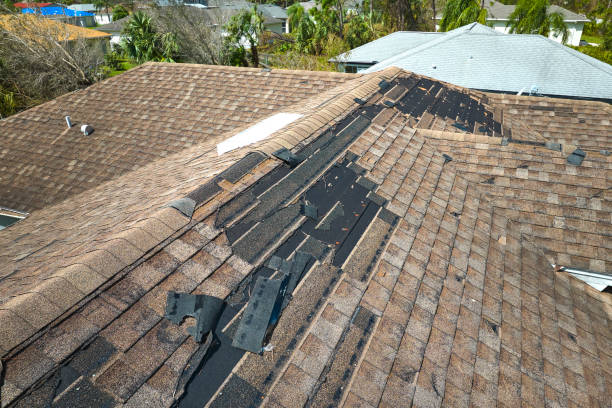
Severe weather can leave a home with damage that is easy to spot and problems that stay hidden for weeks. Strong winds can lift shingles, hail can crack roofing materials, and heavy rain can find its way through small openings. Even minor roof damage can allow moisture into the attic, insulation, walls, and ceilings. Storm Restoration Roofing focuses on finding these problems, protecting the property from further exposure, and restoring the roof so the home can remain safe and dry. A proper restoration process also helps homeowners understand what needs to be repaired and what steps should come next.
Storm Damage Can Affect More Than The Roof
A roof takes the first hit during many severe weather events. Damage may begin with a few missing shingles, but water can travel into areas that are not immediately visible.
Common problems after a major storm include:
- Missing, lifted, or cracked shingles
- Hail marks and damaged roofing surfaces
- Bent or damaged flashing
- Exposed underlayment
- Loose vents and roof accessories
- Damaged gutters and downspouts
- Leaks around chimneys or roof openings
- Wet insulation or attic materials
Water entering through a damaged roof can affect ceilings, walls, insulation, and framing. Moisture that remains in these areas for too long may also contribute to mold growth and wood deterioration.
Why A Roof Inspection Should Come First
A roof may look fine from the ground while still having damage that needs attention. Hail, for example, can leave small impact marks that weaken shingles without creating an immediate leak.
A professional inspection can check areas such as:
- Shingles and roofing membranes
- Flashing around roof openings
- Roof decking
- Gutters and drainage points
- Attic areas for signs of moisture
- Insulation affected by water
- Vents, skylights, and other roof penetrations
Some roofing companies may also use photographs, drones, or moisture detection equipment during an inspection. These methods can help provide a clearer view of areas that are difficult or unsafe to inspect from ground level. Homeowners should avoid climbing onto a damaged roof after a storm. Wet surfaces, loose materials, and hidden structural problems can create serious safety risks.
How Storm Restoration Roofing Repairs Weather Damage
Storm Restoration Roofing is not limited to replacing a few visible shingles. The work can involve several stages depending on the type and severity of the damage.
A typical restoration may include:
- Inspecting the complete roofing system
- Identifying areas affected by wind, hail, or rain
- Removing damaged materials
- Repairing or replacing affected sections
- Checking the roof decking underneath
- Replacing damaged flashing or underlayment
- Securing loose roofing components
- Checking for moisture inside the home
- Testing the repaired areas for proper protection
The goal is to restore the roof as a working system rather than covering only the most obvious damage. This can reduce the chance of another leak developing after the next period of heavy weather.
Hail And Wind Require Different Repairs
Not every type of storm damage looks the same. Hail can leave dents, cracks, and granule loss across roofing materials. Larger hail can cause more serious damage to shingles, vents, gutters, and other exterior components. Wind damage often has a different pattern. Strong gusts can lift shingles, loosen fasteners, damage flashing, or expose parts of the roof to rain. In more severe cases, wind can affect the underlying structure. A proper inspection should identify the type of damage before repairs begin. This helps determine which materials need to be repaired or replaced and whether other parts of the roof need closer attention.
Temporary Protection Can Prevent More Damage
A damaged roof does not always allow time for permanent repairs immediately. Contractors may need to order materials, inspect additional areas, or coordinate repair work. Temporary protection can help during this period.
Depending on the situation, this may include:
- Heavy-duty roof tarping
- Covering exposed sections
- Securing loose roofing materials
- Protecting interior areas from active leaks
- Removing water-damaged materials where necessary
Temporary measures are not a substitute for permanent repairs. Their purpose is to limit additional exposure until the roof can be properly restored.
Insurance Documentation Can Make The Process Easier
Storm damage repairs are often connected with homeowners insurance. Coverage depends on the policy, the cause of damage, and the circumstances surrounding the event. Good documentation can help homeowners understand the condition of their roof and provide useful information for the claims process.
Useful records may include:
- Photos of visible roof damage
- Inspection findings
- Details about damaged roofing materials
- Photos of interior water damage
- Repair estimates
- Notes about when the storm occurred
Nailed It Roofing Pros, for example, includes detailed storm damage assessments and documentation as part of its roofing services. Keeping clear records gives homeowners information they can share with their insurance company when appropriate. Homeowners should also review their policy and communicate directly with their insurance provider about coverage and claim requirements.
Repair Or Full Roof Replacement?
Not every storm-damaged roof needs to be replaced. The right option depends on the condition of the roofing system and the extent of the damage.
A repair may make sense when:
- Damage is limited to a small area
- The rest of the roof remains in good condition
- The underlying decking is sound
- Damaged materials can be properly matched and replaced
Replacement may be considered when:
- Damage covers a large part of the roof
- The roof has major structural problems
- Several roofing layers are affected
- The existing roof is already near the end of its service life
- Repairs would not provide reliable long-term protection
A detailed inspection can help homeowners understand the difference between isolated damage and a larger roofing problem.
Why Fast Action Matters After A Storm
Roof damage can worsen with every rainfall or strong wind that follows. A small opening can allow water to reach insulation, ceilings, walls, and framing.
Early action can help homeowners:
- Reduce the chance of additional water intrusion
- Protect interior rooms and belongings
- Identify hidden damage sooner
- Prevent minor roof issues from spreading
- Create better documentation for repair decisions
- Restore normal protection to the home
Nailed It Roofing Pros focuses on storm-related roof inspections and repairs, including damage caused by hail, wind, hurricanes, and heavy rainfall. Their service approach also includes temporary roof protection when permanent work cannot be completed immediately.
What Homeowners Should Do After A Severe Storm
The first priority after a major storm is safety. Homeowners should inspect the property from a safe position and look for signs of damage without climbing onto the roof.
A practical first step includes:
- Check ceilings and walls for new water stains
- Look for missing shingles from ground level
- Check gutters for unusual damage or roofing debris
- Photograph visible damage when it is safe
- Keep records of the storm and when problems appeared
- Arrange a professional roof inspection
- Use temporary protection if water is entering the home
- Contact the insurance provider if a claim may be needed
Quick action does not mean rushing into unnecessary repairs. It means identifying the problem before exposure to more rain and wind creates additional damage.
Choosing A Roofing Company For Storm Repairs
Storm repairs require more than replacing damaged shingles. Homeowners should look for a roofing company that can inspect the complete roof, explain the findings clearly, and provide a practical repair plan.
Consider factors such as:
- Experience with storm-related roof damage
- Proper insurance and licensing where required
- Clear inspection reports
- Safe inspection practices
- Experience with hail and wind damage
- Transparent repair recommendations
- Ability to provide temporary protection
- Familiarity with insurance documentation
Restore Your Roof Before Small Problems Grow
Storm damage can be easy to overlook, especially when the roof still looks mostly intact from the ground. A professional inspection can reveal damaged shingles, moisture intrusion, weakened flashing, or problems beneath the visible roofing surface. Storm Restoration Roofing gives homeowners a practical way to assess the damage, protect exposed areas, and restore the roof based on its actual condition. Taking action soon can help protect the rest of the home and reduce the chance of more extensive repairs later. If your home has been affected by hail, wind, heavy rain, or another severe weather event, contact us today to schedule a professional storm damage roof inspection and discuss the right repair option for your home.