ByJohn A
Understanding the Growth of Smart Consumer Devices
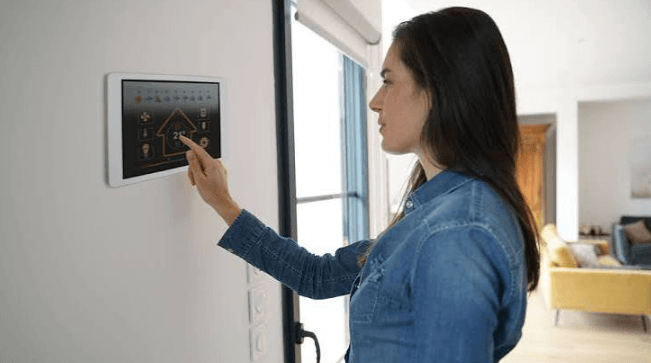
Smart consumer devices grow as demand for seamless connectivity and personalized experiences rises. On the supply side, interoperability incentives and scalable networks lower integration costs, expanding ecosystems. Data and AI convert sensor streams into proactive insights, enabling maintenance and user-centric automation. Standards and transparent governance underpin trust and privacy safeguards across households and enterprises. Yet costs, governance, and interoperability remain under debate, leaving open questions about how these dynamics will shape adoption, resilience, and value in the near term.
What Drives the Growth of Smart Devices
The growth of smart devices is propelled by a convergence of demand-side and supply-side factors, with consumer expectations for seamless connectivity and personalized experiences driving rapid adoption.
Firms quantify privacy economics to balance risk and value, while interoperability incentives reduce integration costs and expand ecosystems.
Data-driven forecasts show accelerating adoption alongside standardization, enabling scalable networks, resilient platforms, and freer consumer experimentation.
How Data and AI Power Everyday Connectivity
Data and AI increasingly underpin everyday connectivity by translating vast sensor streams and user interactions into actionable insights and automated responses. This transformation enables responsive ecosystems, personalized automation, and proactive maintenance across devices. Rigorous data governance ensures integrity, while user privacy safeguards maintain trust. Analysts project scalable models and edge AI deployments, supporting secure interoperability and transparent decision-making without compromising individual freedoms.
Navigating Costs, Standards, and Ecosystems
As the scale of smart consumer devices expands, cost structures, standardization efforts, and ecosystem dynamics become primary levers shaping adoption trajectories.
The analysis emphasizes cost transparency, privacy economics, and interoperability standards as measurable drivers; while platform lock in remains a risk.
Forward-looking models quantify trade-offs, guiding consumers and firms toward choices that balance affordability with open, secure, and interoperable ecosystems.
The Next Wave: Consumer, Business, and Household Impacts
What signals indicate the next wave of smart consumer devices will reshape consumer, business, and household landscapes? Data from adoption curves, interoperability metrics, and disruption indices suggest rapid cross-sector integration. Edge cases reveal overlooked risks and opportunities, guiding policy and design. Strong emphasis on data governance underpins trust, compliance, and scalable decision-making across platforms, households, and enterprises. Decisive, forward-looking momentum emerges with proactive governance.
Frequently Asked Questions
How Secure Are Smart Devices at the Household Level?
Smart devices exhibit moderate household security, yet privacy concerns persist alongside rapid device obsolescence; data-driven analyses show evolving attack surfaces, emphasizing layered defenses and user autonomy to manage risk while embracing innovation and freedom.
Do Smart Devices Create More Energy Consumption?
A 15% efficiency improvement in average household energy use, driven by smart devices, is cited. Smart devices may increase energy consumption if user behavior favors always-on features, though energy efficiency gains can offset this through adaptive, data-driven automation.
See also: Understanding the Growth of Smart Enterprise Solutions
Can Data Collected Be Shared With Third Parties?
The answer: yes, data sharing with third parties is common through terms and practice. Data sharing enables third party data mining, with implications for privacy, security, and consumer freedom; projections emphasize governance, transparency, and user-controlled opt-outs in forward-looking models.
How Often Do Devices Require Firmware Updates?
Firmware cadence varies, with some devices updating monthly and others quarterly; analysts report update fatigue as users tire of frequent prompts, while data-driven models suggest optimal cadence balances security needs and user autonomy for growing freedom-oriented ecosystems.
What Happens to Devices After Their Lifespan Ends?
Devices reach end of life through planned obsolescence or failed depreciation, then undergo material recovery processes; data-driven projections indicate increased emphasis on circular design, reuse, and recycling, promoting sustainable pathways while respecting consumer freedom and environmental accountability.
Conclusion
This analysis anticipates sustained expansion in smart devices, driven by private‑sector privacy economics, interoperable ecosystems, and scalable networks. Data and AI will increasingly convert sensor streams into proactive, personalized services, while governance frameworks protect trust. An illustrative statistic: by 2026, the global installed base of smart devices is projected to exceed 20 billion units, underscoring the compound impact of efficiency gains and consumer demand. The trajectory favors cross‑industry adoption and resilient, user‑centric platforms.