ByJohn A
Laser Cavity Removal: What Patients Should Know
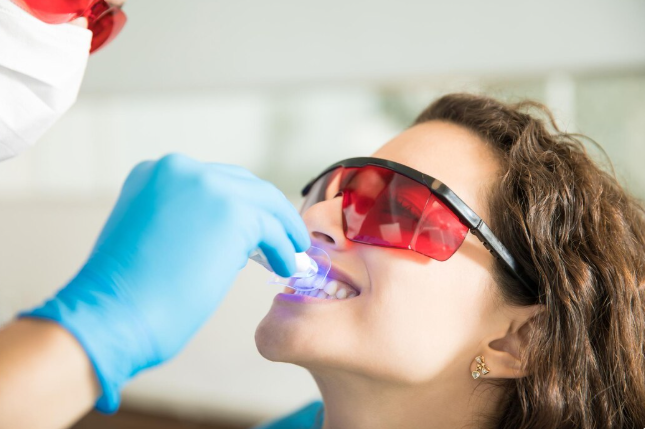
Laser cavity removal is a dental treatment approach that uses focused laser energy to remove certain areas of tooth decay. Dental lasers may be used for selected cavity treatments depending on the location and extent of decay, the condition of the tooth, and the dentist’s clinical assessment. Laser dentistry can also be used for several soft tissue and dental procedures, making it a useful option in appropriate cases. However, not every cavity can or should be treated with a laser. A dental examination is necessary to determine the most suitable treatment for each tooth.
What Is Laser Cavity Removal?
Laser cavity removal involves using specialised dental laser technology to remove diseased or decayed tooth structure. The laser directs concentrated energy toward the treatment area, allowing the dentist to work on selected portions of the tooth. The specific type of laser and technique used depends on the procedure and the tissues being treated. After the decay has been removed, the dentist may restore the tooth with an appropriate filling or other restorative material.
Traditional dental drills remain an effective option for treating cavities, and laser treatment does not replace them in every situation. The suitability of laser treatment depends on factors such as the depth of the cavity, the location of the decay, and the condition of the surrounding tooth structure. Your dentist can examine the affected tooth and explain which approach is appropriate. Patients should not assume that laser treatment is automatically better than conventional cavity treatment.
Patients interested in this approach can learn more about laser cavity removal and other laser dentistry services available in Kent, WA.
How Does a Dental Laser Treat a Cavity?
Dental lasers use concentrated light energy to interact with targeted tissues. When used for certain hard-tissue procedures, the laser can remove areas of tooth structure affected by decay. The dentist controls the laser according to the treatment requirements and works carefully around the healthy portions of the tooth. Once the decayed structure has been removed, the tooth can be evaluated to determine the appropriate restoration.
The process differs from using a conventional dental drill. Some patients may appreciate the reduced vibration associated with laser treatment, although the experience varies depending on the procedure and individual sensitivity. The dentist may still use other dental instruments during the appointment because laser treatment does not necessarily eliminate every part of conventional dental treatment. The goal is to remove the damaged tissue while preserving as much healthy tooth structure as clinically appropriate.
Can Every Cavity Be Treated With a Laser?
No. Laser cavity treatment is not suitable for every type of dental decay. The decision depends on the size, depth, location, and characteristics of the cavity. A dentist must also consider whether the tooth has enough healthy structure remaining to support a restoration.
Factors that may influence the treatment approach include:
- Depth of the cavity
- Location of the decay
- Amount of healthy tooth structure remaining
- Condition of the surrounding enamel
- Presence of cracks or other damage
- Extent of infection
- Type of restoration required
- Patient comfort and treatment needs
A dental examination can determine whether laser treatment is appropriate. In some cases, a conventional drill may be more effective or necessary. The dentist may also recommend another restorative procedure when decay has significantly weakened the tooth. Choosing the treatment based on the condition of the tooth is more important than selecting a particular technology.
What Happens During Laser Cavity Treatment?
The appointment generally begins with an examination of the affected tooth. The dentist may use dental imaging when necessary to understand the extent of decay and evaluate the surrounding structures. Once the treatment plan has been established, the area is prepared for the procedure. Local anesthesia may be used depending on the depth of the cavity, sensitivity, and individual treatment requirements.
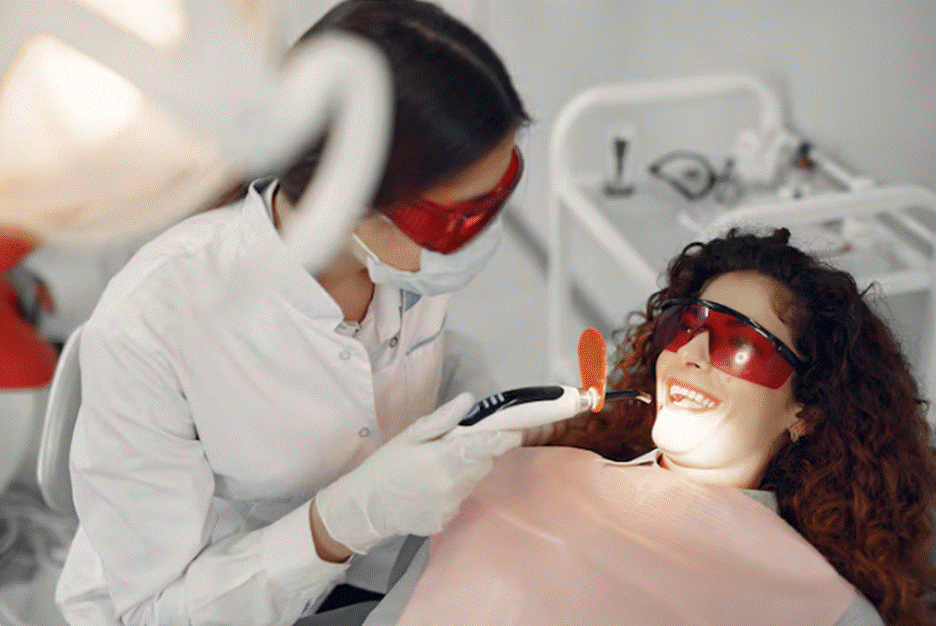
During laser treatment, the dentist directs the laser toward the decayed portion of the tooth. The amount of tissue removed depends on the extent of the cavity and the treatment plan. Once the decay has been addressed, the dentist examines the remaining tooth structure and determines whether a filling or another restoration is needed. The final restoration helps restore the tooth’s shape and function.
The length of the appointment varies depending on the size and location of the cavity and whether additional dental treatment is required. Patients should follow the instructions provided by their dentist after treatment. Any temporary sensitivity or discomfort should also be discussed with the dental team if it does not improve as expected.
What Are the Potential Benefits of Laser Cavity Treatment?
Laser dentistry can offer certain benefits in appropriately selected cases. The technology allows dentists to target specific areas during treatment and may reduce the vibration associated with a traditional dental drill. Depending on the procedure, some patients may experience less bleeding or swelling when lasers are used for soft tissue treatment. The actual benefits vary based on the type of laser, treatment area, and individual patient.
Potential advantages may include:
- Reduced vibration compared with a conventional dental drill
- Precise targeting of selected tissues
- Potentially less bleeding during certain soft tissue procedures
- Reduced need for some traditional instruments in selected cases
- Treatment of certain dental and soft tissue conditions
- Potentially improved comfort for some patients
These potential benefits do not mean laser dentistry is appropriate for every dental problem. A dentist must determine whether the technology can safely and effectively address the specific condition. The treatment plan should always be based on clinical findings rather than the technology alone.
Is Laser Cavity Removal Painful?
Patient comfort varies depending on the extent of decay, the treatment area, tooth sensitivity, and the individual’s response to dental procedures. Some laser procedures may involve less vibration than treatment with a conventional dental drill. However, patients can still experience pressure, sensitivity, or discomfort during cavity treatment.
Local anesthesia may be recommended when necessary to keep the procedure comfortable. The dentist can discuss anesthesia options before beginning treatment. If you have dental anxiety or a history of sensitivity during dental procedures, mention this during your consultation so the dental team can plan appropriately.
Laser treatment does not guarantee that anesthesia will never be needed. Deeper cavities and procedures involving sensitive areas of the tooth may still require numbing. Your dentist can explain what you are likely to experience based on the condition of the tooth being treated.
What Happens After a Cavity Is Removed?
Removing the decay is only one part of restoring a damaged tooth. Once the dentist has removed the affected tissue, the remaining tooth structure must be evaluated. A filling may be used when the remaining tooth is sufficiently strong and the cavity is appropriate for a direct restoration. Larger areas of damage may require a different restorative option.
Patients should follow their dentist’s instructions after treatment. Temporary sensitivity to hot or cold foods can sometimes occur following restorative treatment. If discomfort becomes severe, continues for an extended period, or changes unexpectedly, contact your dental provider for an evaluation.
Good oral hygiene remains important after cavity treatment. Brushing twice daily with fluoride toothpaste, cleaning between the teeth, limiting frequent exposure to sugary foods and drinks, and attending regular dental appointments can help reduce the risk of additional decay.
Can Laser Dentistry Treat More Than Cavities?
Yes. Dental lasers have applications beyond hard-tissue cavity treatment. Depending on the equipment available and the dentist’s training, lasers may be used for selected soft tissue procedures, gum treatment, and other dental applications. The appropriate use depends on the specific laser system and the clinical needs of the patient.
Laser dentistry may be considered for procedures involving:
- Gum tissue
- Certain periodontal treatments
- Soft tissue reshaping
- Selected restorative procedures
- Treatment of certain oral lesions
- Other specialised dental procedures
The availability of laser procedures varies between dental practices. Patients should ask which laser treatments are offered and whether the technology is appropriate for their particular condition.
How Is Laser Treatment Different From a Dental Drill?
The main difference is the technology used to remove or modify tissue. A conventional dental drill uses a rotating bur to mechanically remove tooth structure. A dental laser uses concentrated light energy to interact with targeted tissue. The sensation, sound, vibration, and treatment process may therefore differ between the two approaches.
Laser treatment is not automatically superior to conventional dentistry. Both approaches have appropriate applications, and the choice depends on the clinical circumstances. A dentist may use a laser for part of a procedure and conventional instruments for another part. The most appropriate treatment is the one that safely addresses the dental problem while preserving healthy tooth structure where possible.
Why Early Cavity Treatment Matters
Cavities can progress when they are not treated. Early decay may initially cause few or no noticeable symptoms, which is why routine dental examinations are useful for identifying problems before they become more extensive. As decay progresses deeper into the tooth, treatment can become more involved. Severe decay may eventually affect the pulp and surrounding tissues.
Prompt dental care can help prevent a small cavity from developing into a more complicated dental problem. If a tooth has sensitivity, pain, visible discoloration, a rough area, or another change, schedule an examination rather than waiting for symptoms to worsen. Your dentist can determine whether decay is present and recommend the appropriate treatment.
Patients who experience severe dental damage may occasionally require extraction rather than restorative treatment. Understanding the emergency tooth extraction cost can be useful when discussing treatment options, although the actual cost depends on the complexity of the extraction and the services required.
How Can You Prevent Future Cavities?
Cavity prevention begins with consistent daily oral care and regular professional dental visits. Fluoride toothpaste can help strengthen enamel and reduce the risk of tooth decay. Brushing should be thorough, and cleaning between the teeth helps remove plaque from areas that a toothbrush cannot reach effectively.
Preventive habits include:
- Brush twice daily with fluoride toothpaste
- Clean between your teeth every day
- Limit frequent sugary snacks and drinks
- Drink water regularly
- Attend recommended dental examinations
- Receive professional cleanings as advised
- Discuss fluoride treatments if you have an elevated cavity risk
Your dentist can assess your individual risk factors and recommend preventive measures based on your oral health. Prevention is particularly useful for patients who have previously experienced repeated cavities or have other factors that increase their risk of tooth decay.
Choosing Laser Cavity Treatment in Kent, WA
Laser cavity treatment can be an appropriate option for selected dental conditions, but the right treatment depends on the tooth and the extent of decay. A professional examination allows the dentist to determine whether laser technology can be used effectively or whether a conventional restorative technique is more suitable. Patients should ask about the treatment process, anesthesia, restoration, expected recovery, and potential alternatives before proceeding.
Understanding your options can make dental treatment easier to plan. A qualified dental team can explain why a particular approach has been recommended and how it fits into your overall oral health needs. Patients in Kent, WA, can contact Implant Oral Surgery & Aesthetics to discuss their dental concerns and schedule an evaluation.
Conclusion
Laser cavity removal provides dentists with another option for treating selected areas of tooth decay. The technology may offer benefits such as reduced vibration and precise tissue targeting, but it is not appropriate for every cavity. A dental examination is necessary to assess the extent of decay and determine whether laser treatment, conventional treatment, or another restorative option is most suitable. Maintaining good oral hygiene and attending regular dental appointments can also help prevent future cavities and protect your teeth.
Frequently Asked Questions
1. What is laser cavity removal?
Laser cavity removal uses specialised dental laser technology to remove certain areas of tooth decay. After the decay is removed, the tooth may need a filling or another restoration to restore its structure and function.
2. Can a laser completely replace a dental drill?
Not always. Some cavities and dental procedures are better suited to conventional instruments. The dentist determines whether a laser, traditional drill, or combination of techniques is appropriate based on the tooth’s condition.
3. Is laser cavity removal painful?
Comfort varies depending on the cavity and the patient’s sensitivity. Some people may experience less vibration than with a conventional drill, but local anesthesia may still be recommended for certain procedures.
4. How long does laser cavity treatment take?
Treatment time depends on the size and location of the cavity and whether additional restorative work is required. Your dentist can provide a more accurate estimate after examining the affected tooth.
5. How can I prevent cavities after laser treatment?
Brush twice daily with fluoride toothpaste, clean between your teeth every day, limit frequent sugary foods and drinks, and attend regular dental examinations. Your dentist may also recommend professional fluoride treatment or other preventive measures based on your cavity risk.